


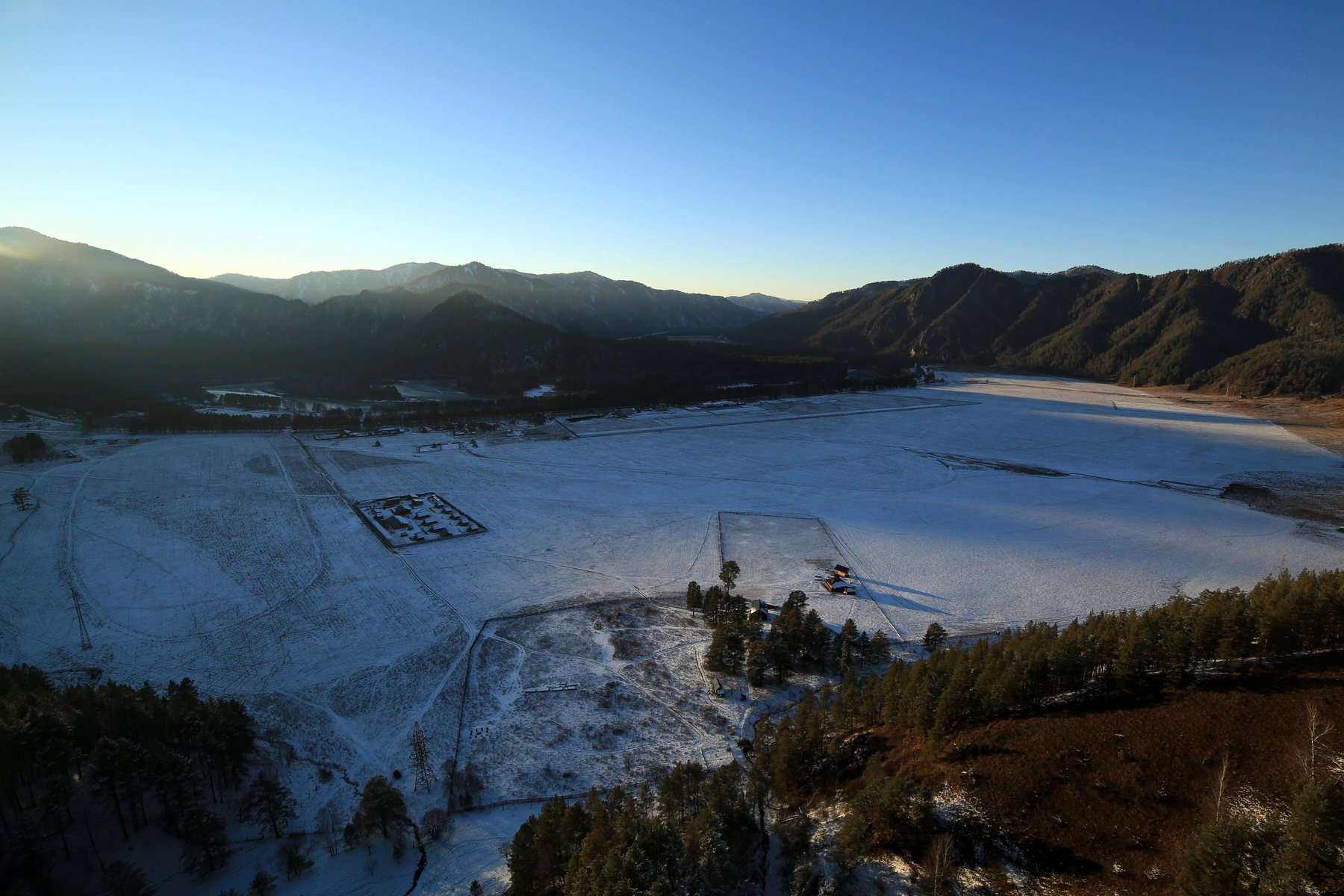
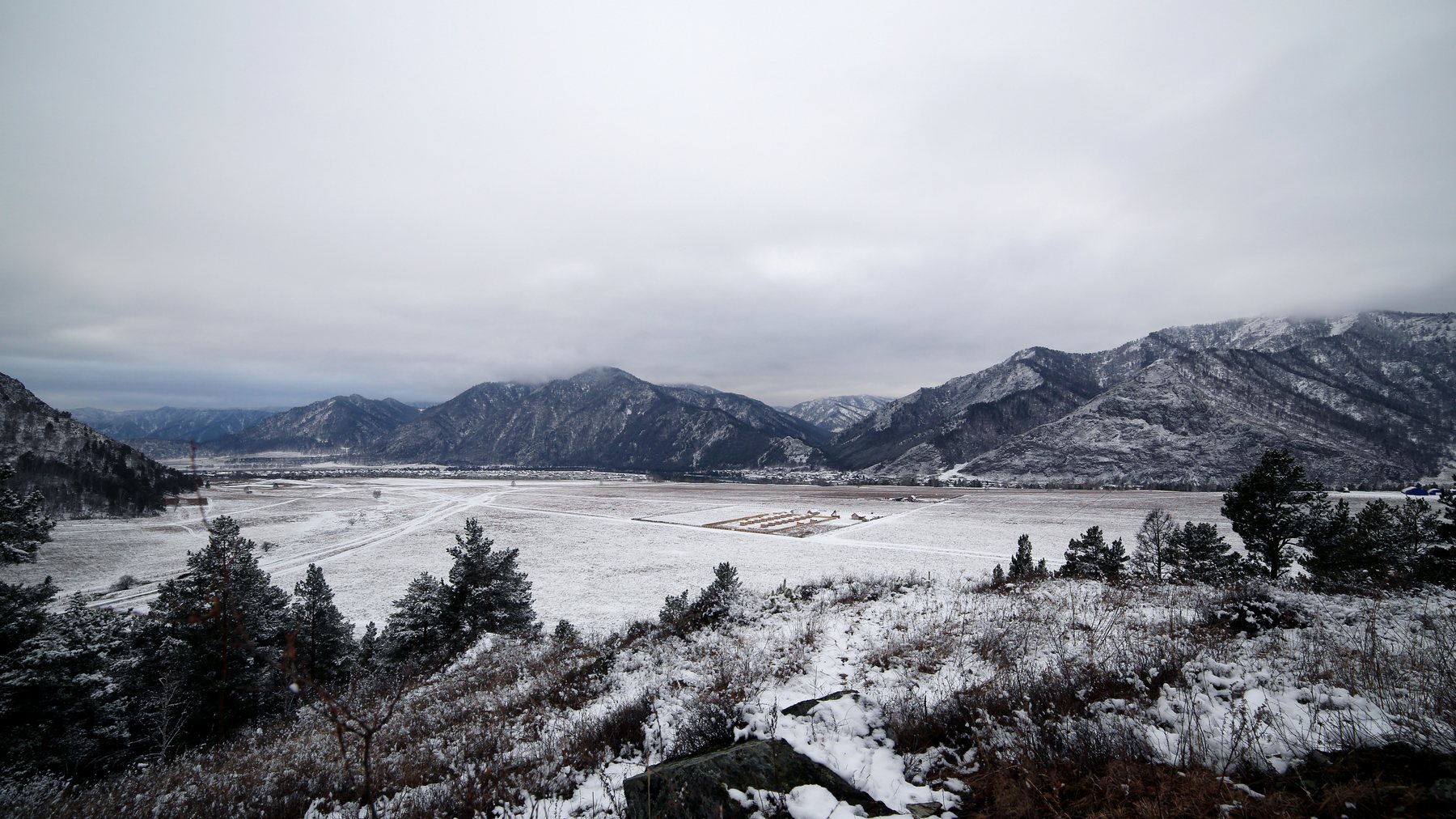
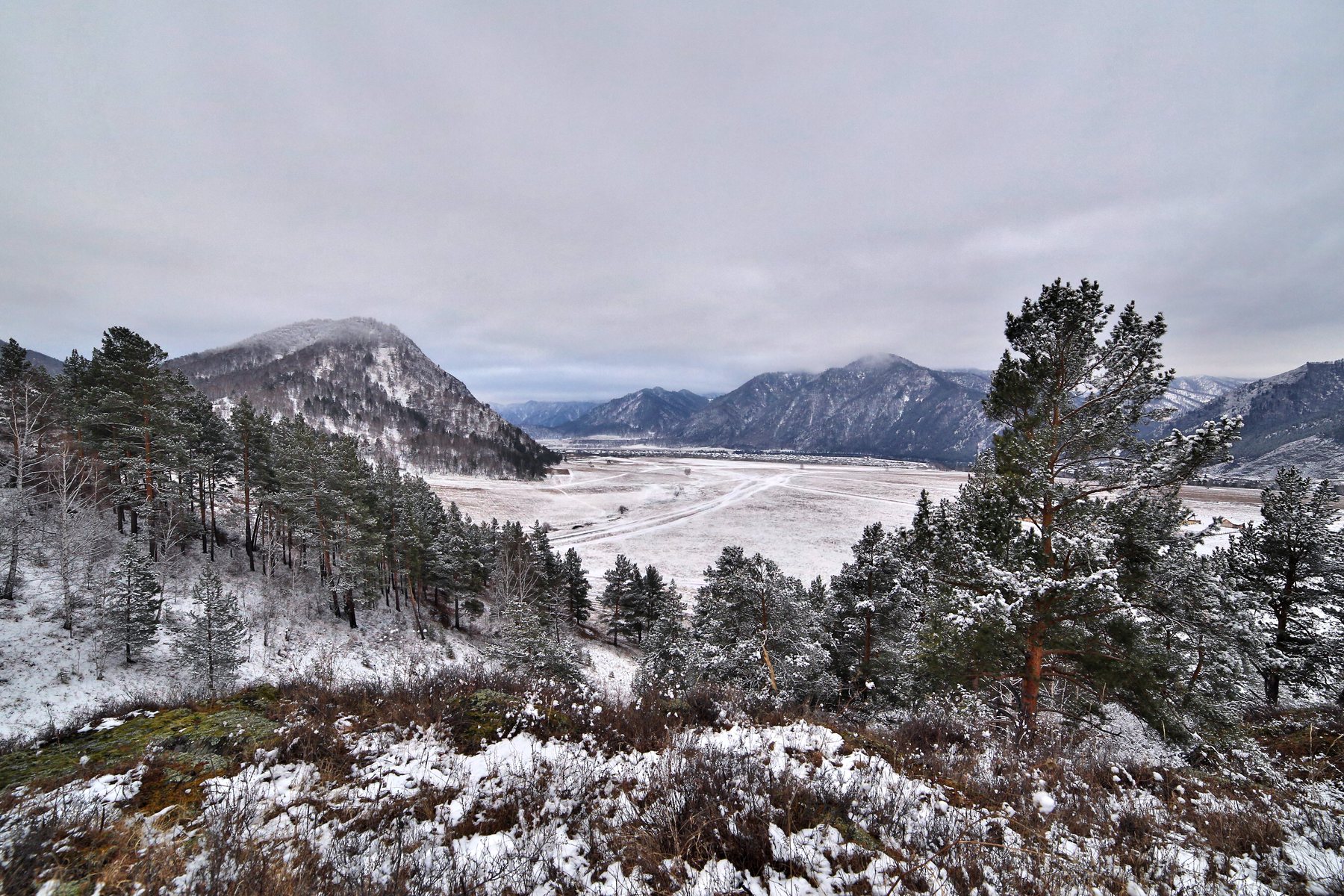
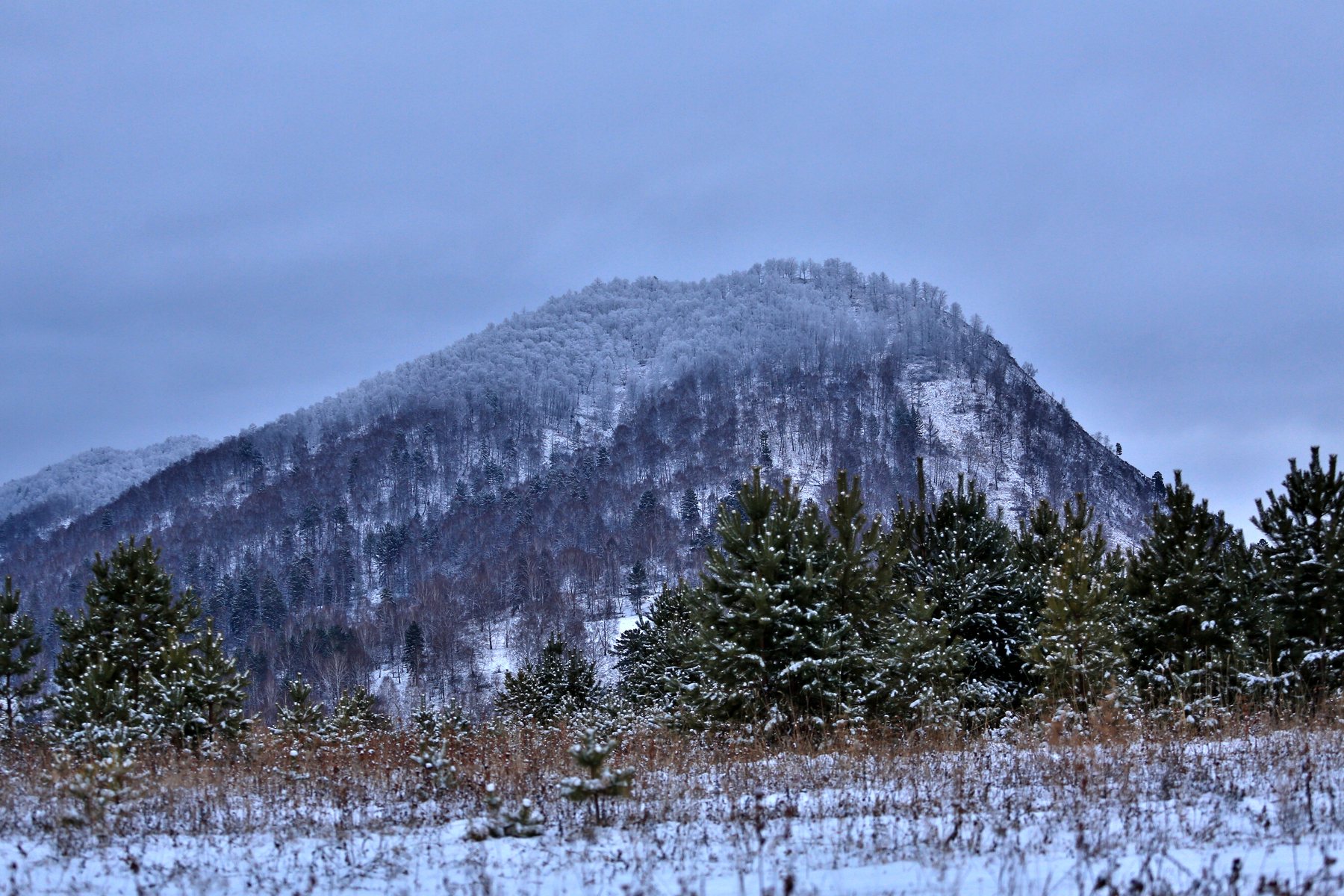

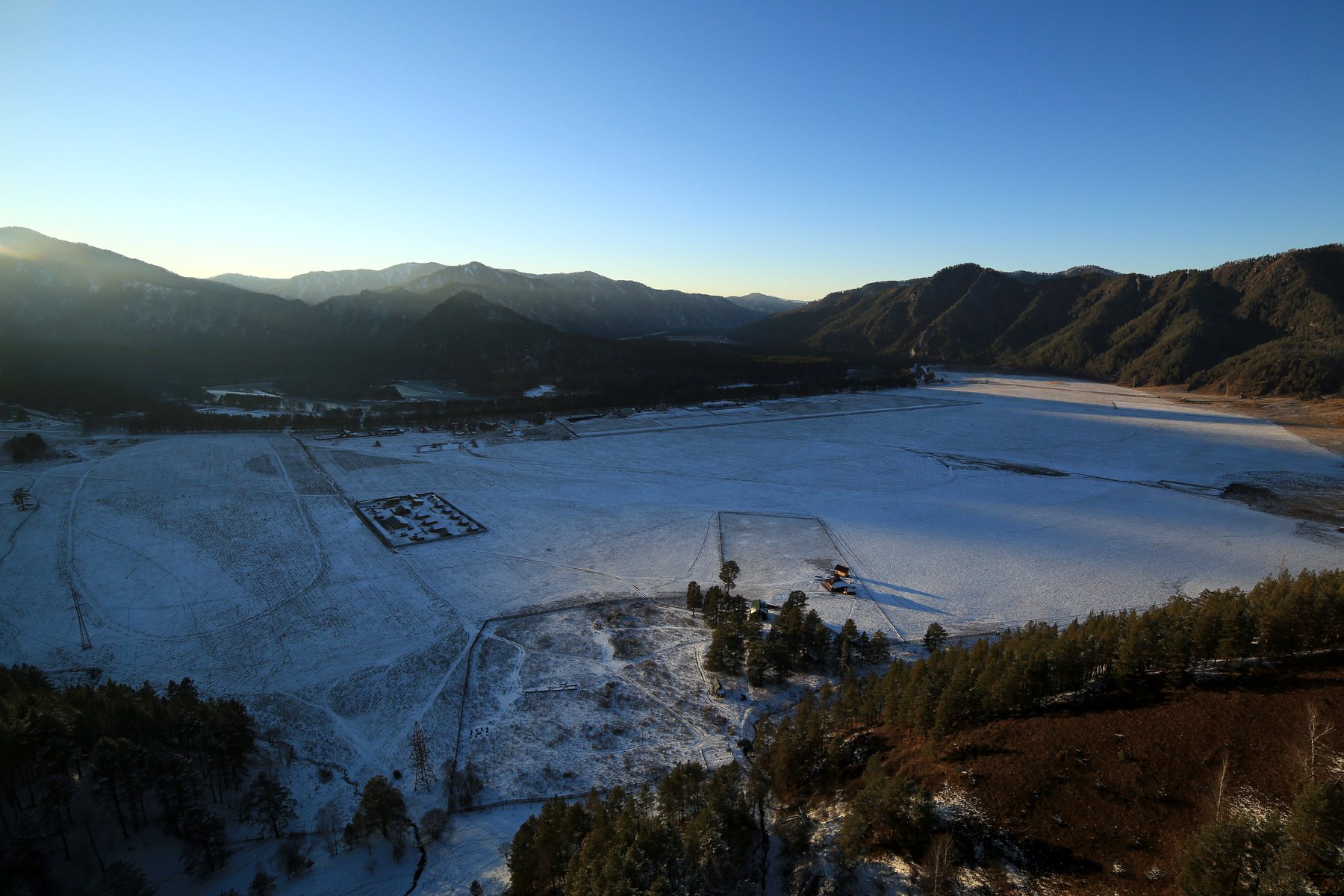
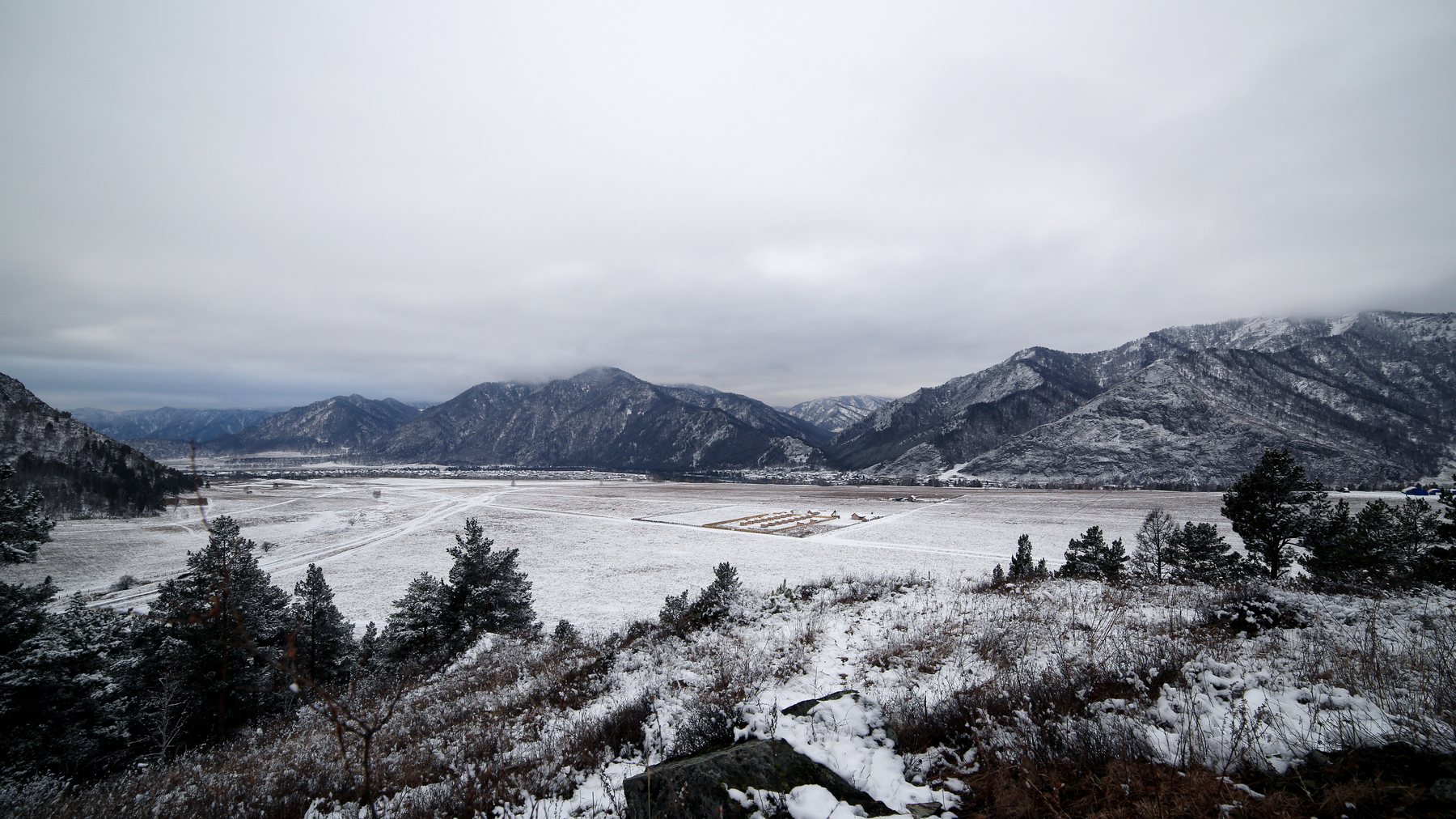
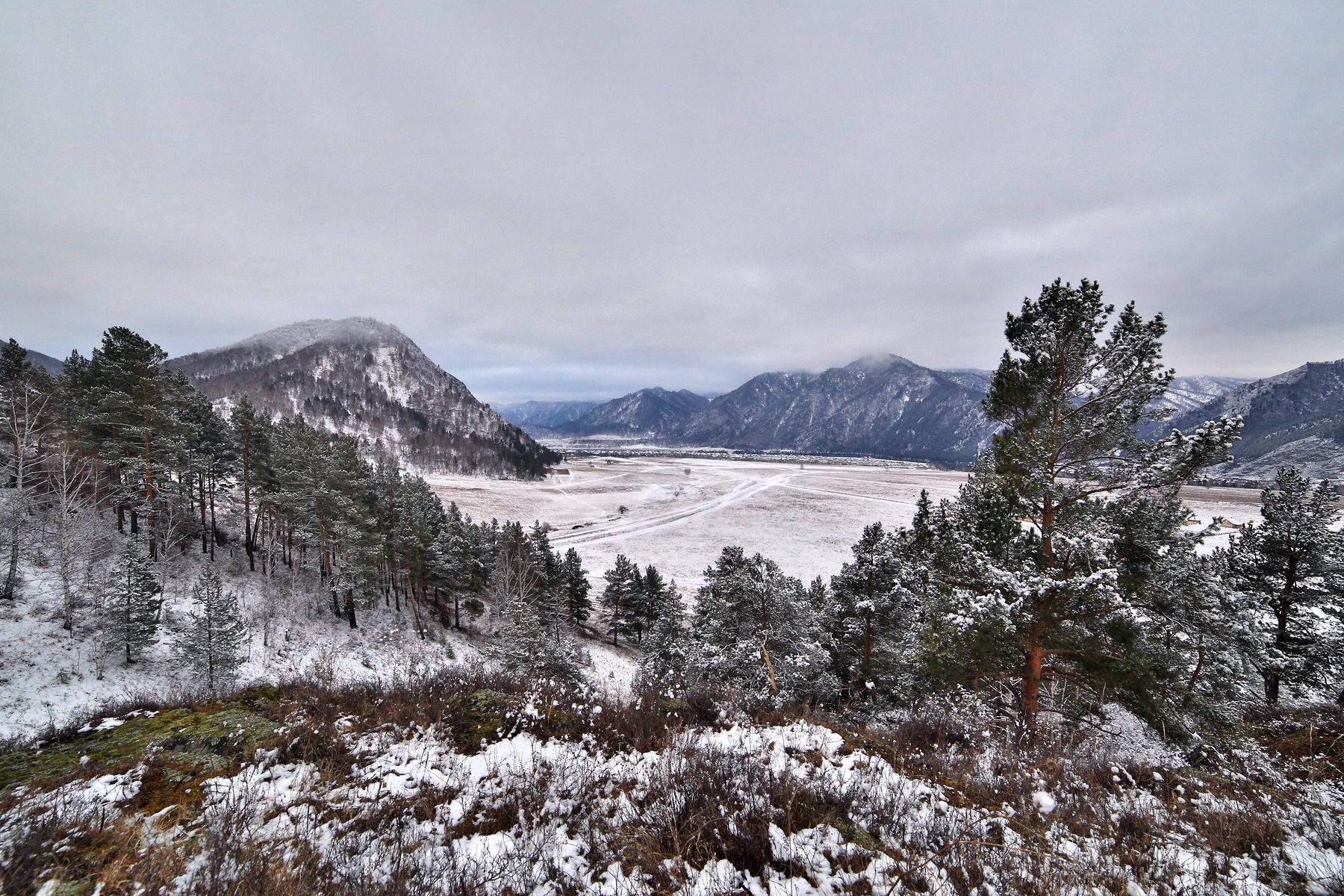
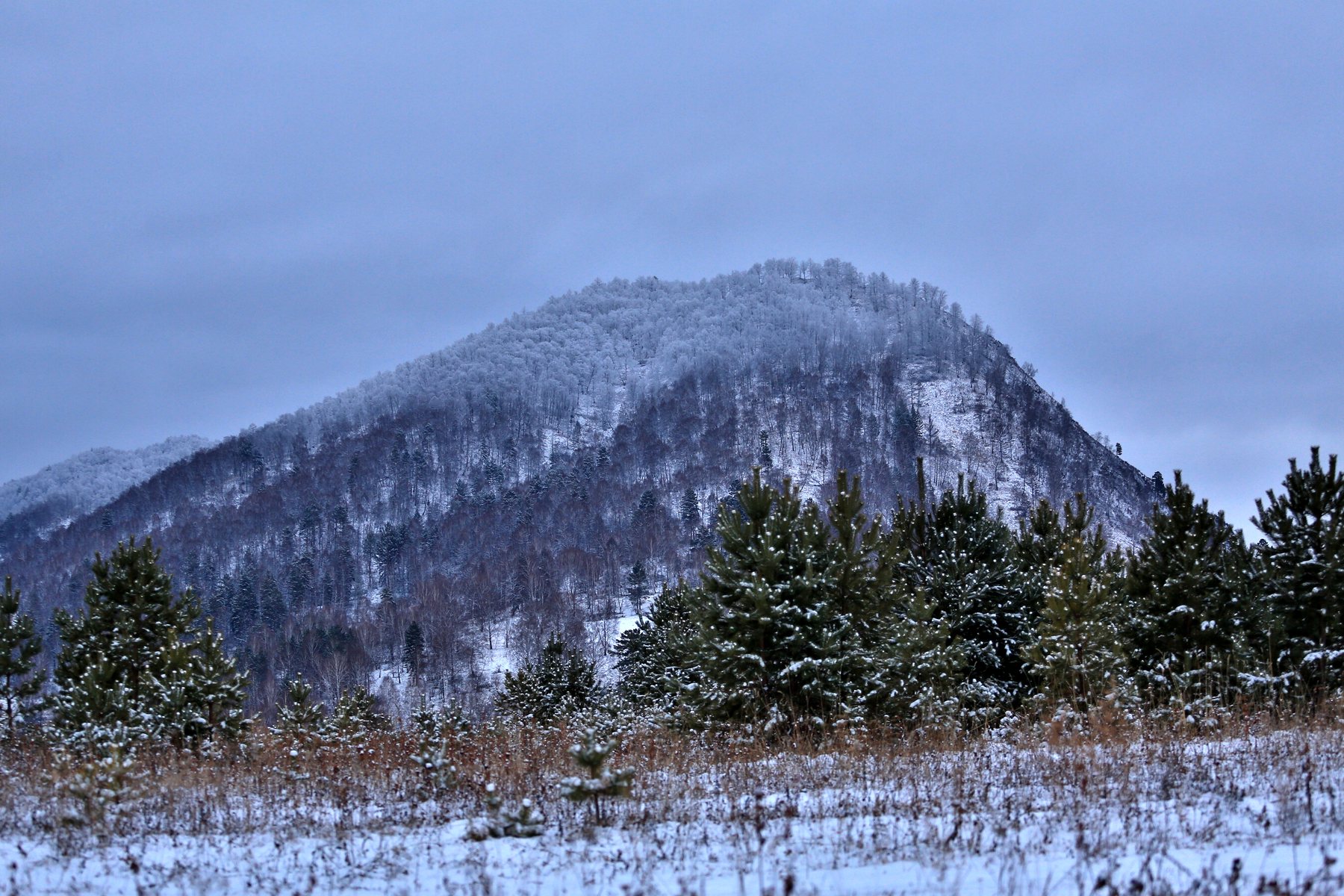
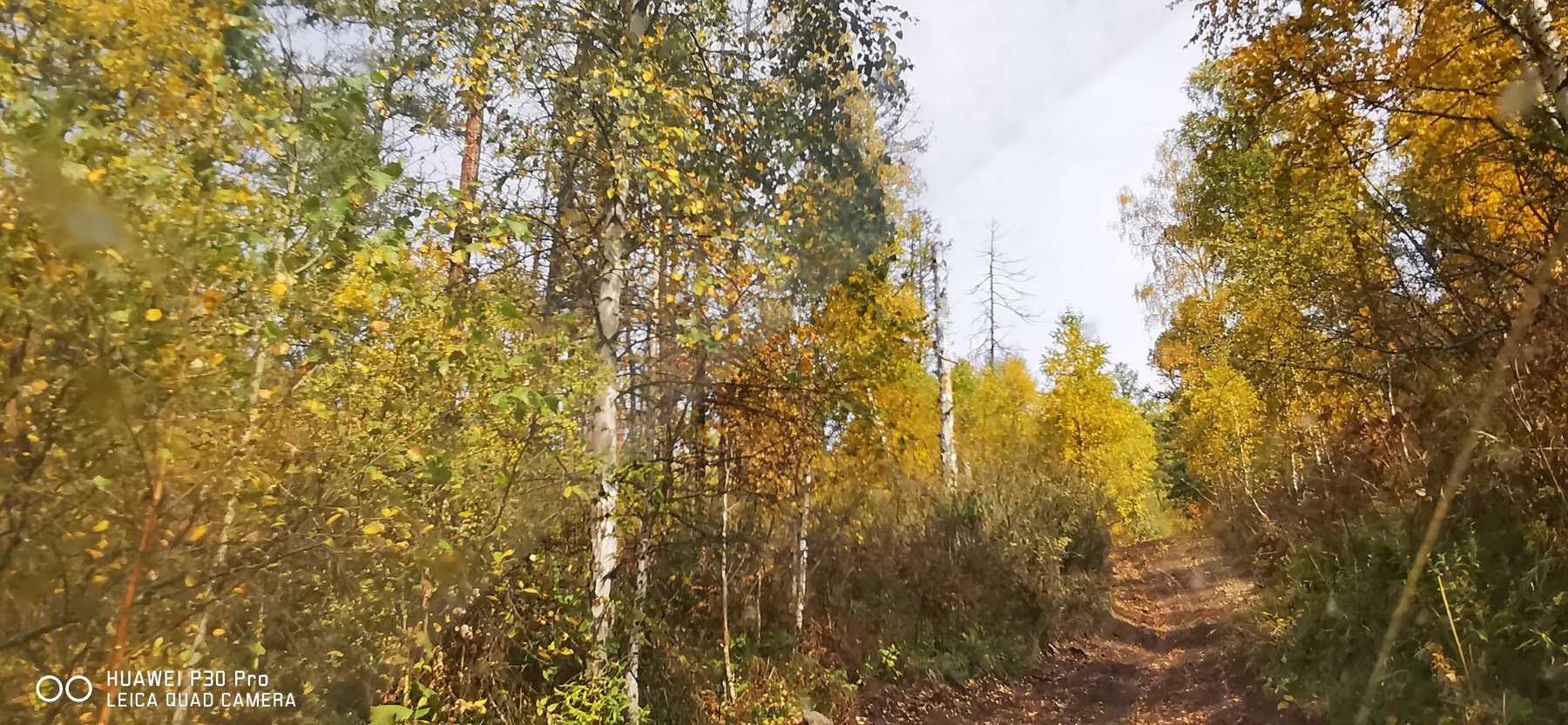
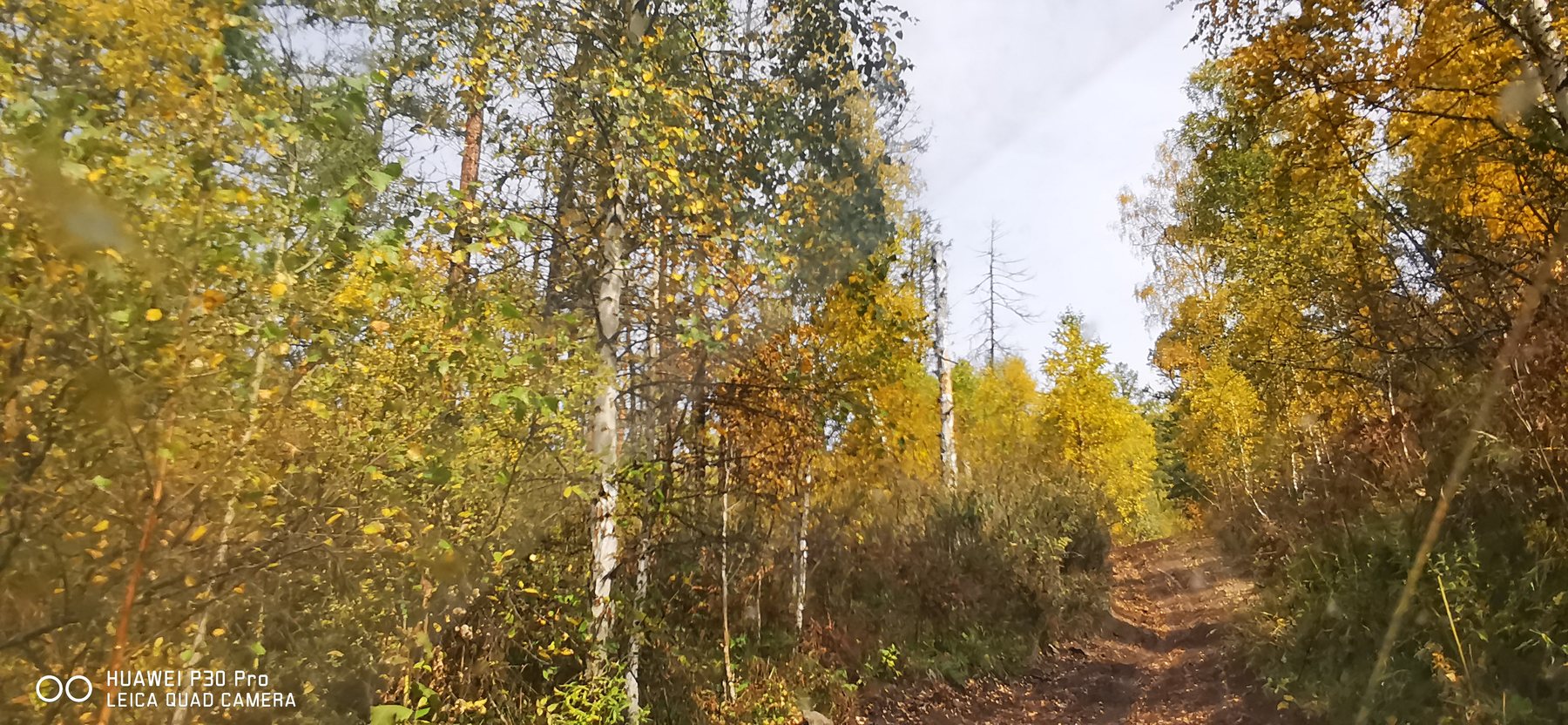
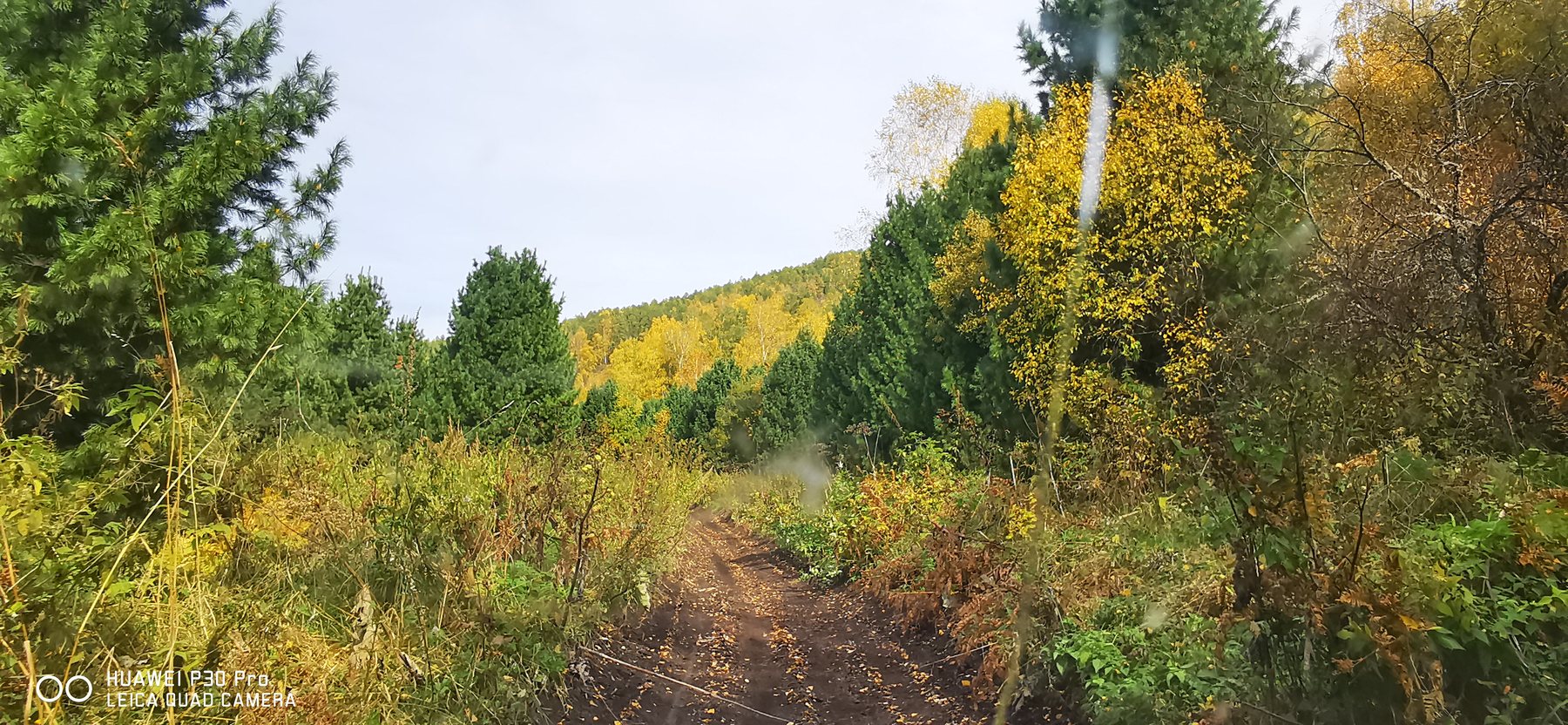
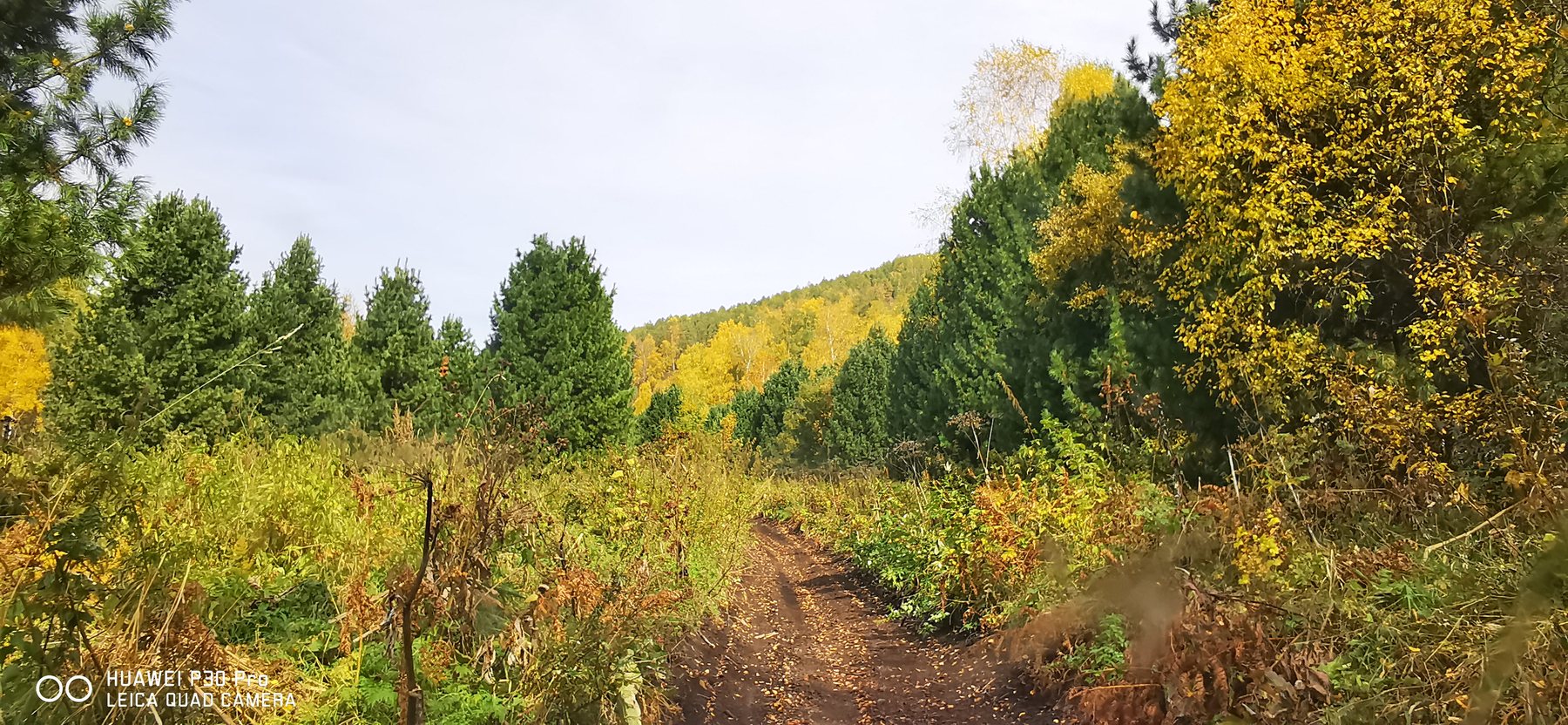
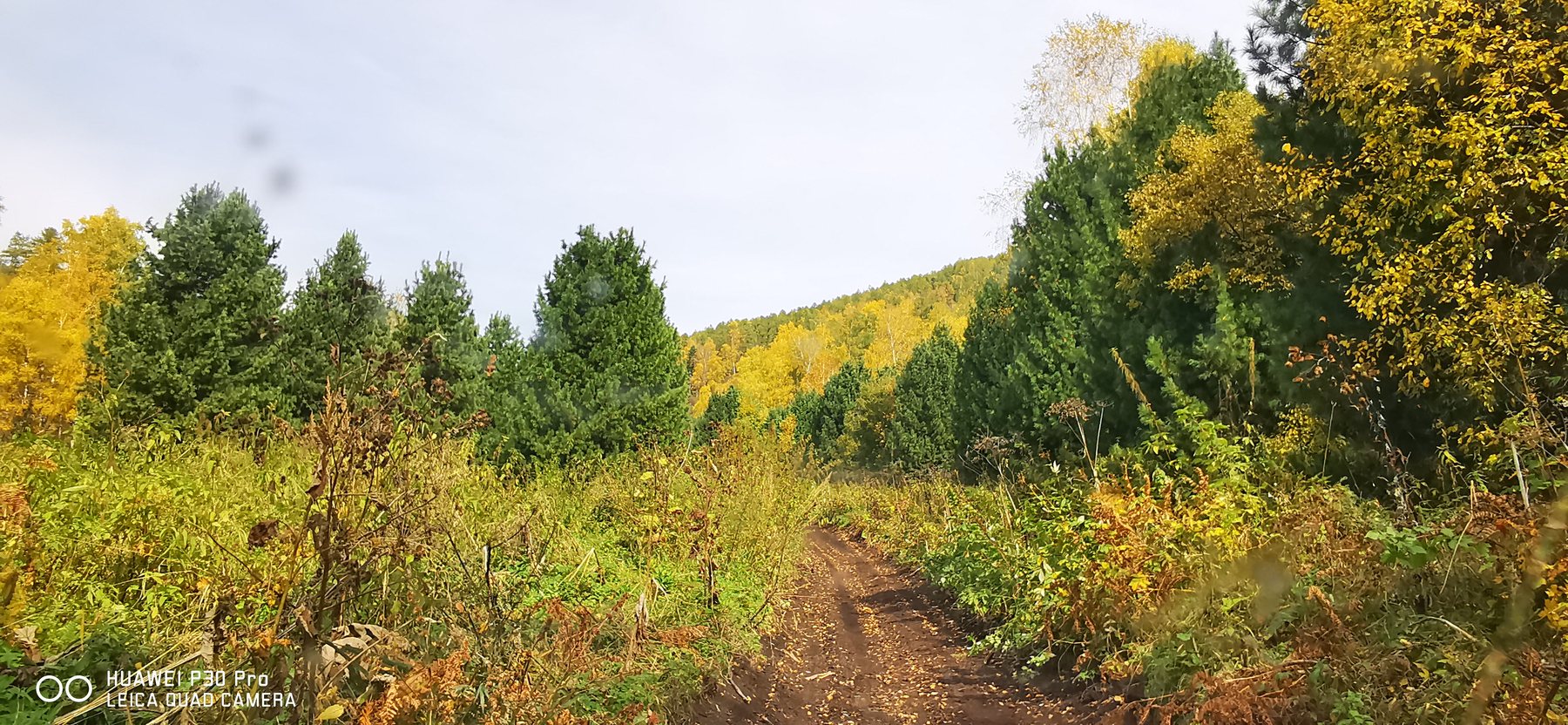
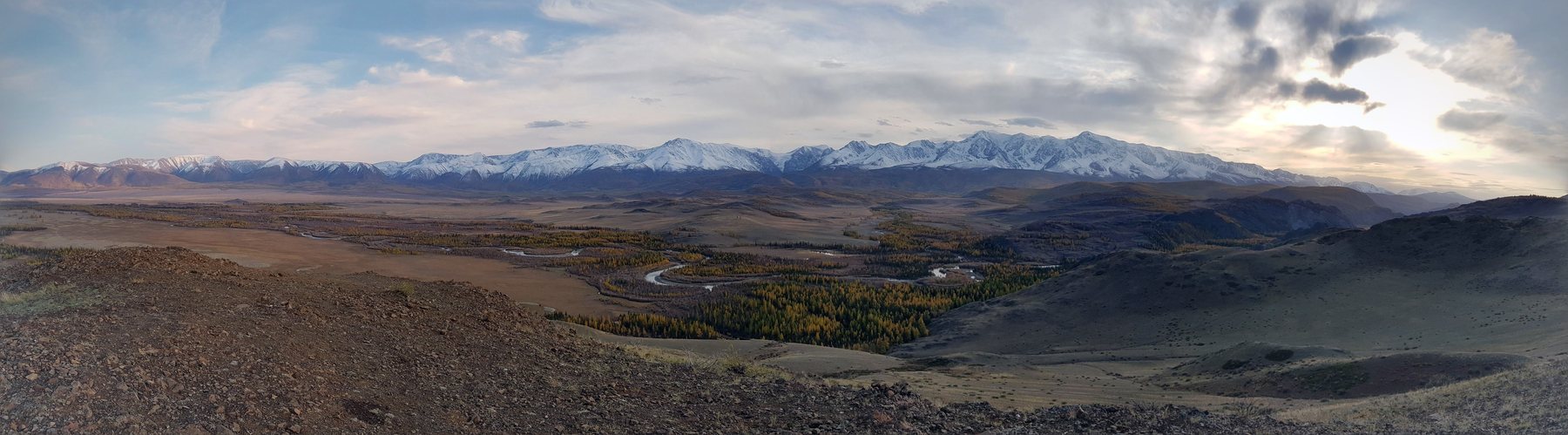
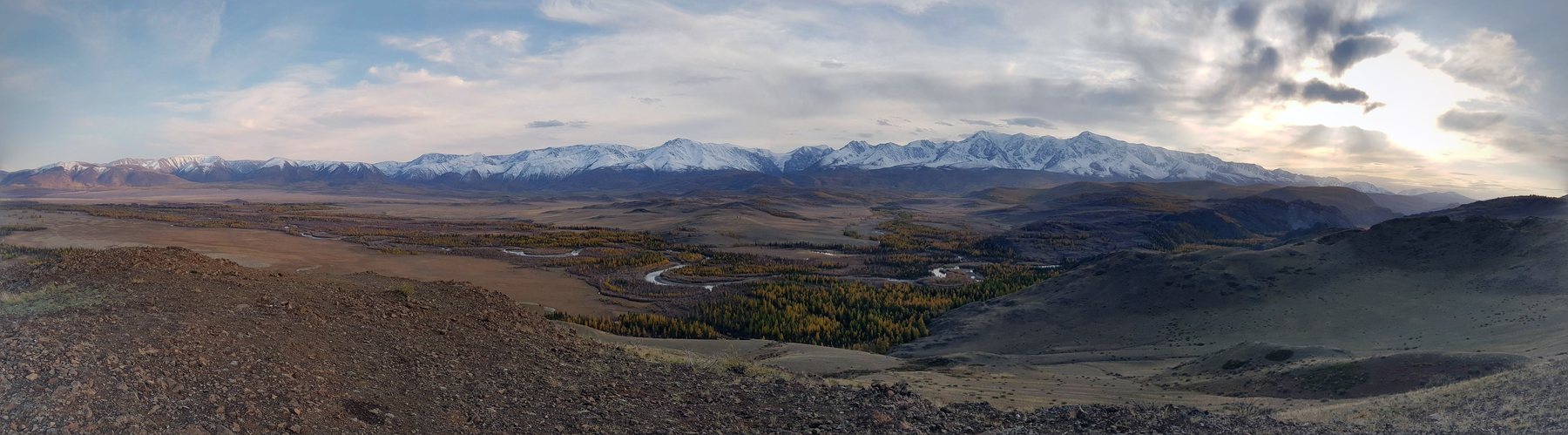
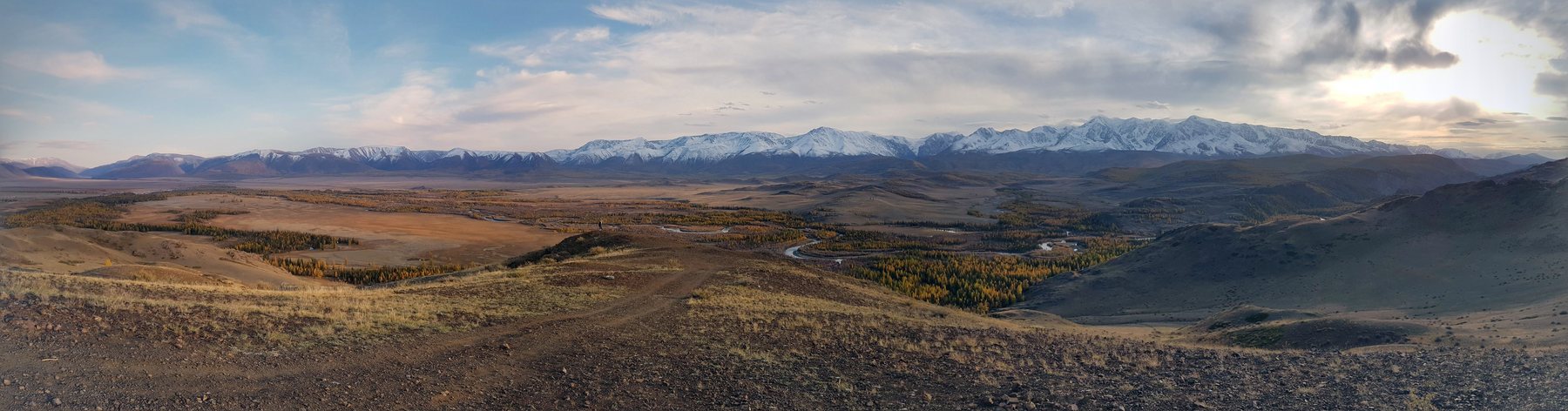
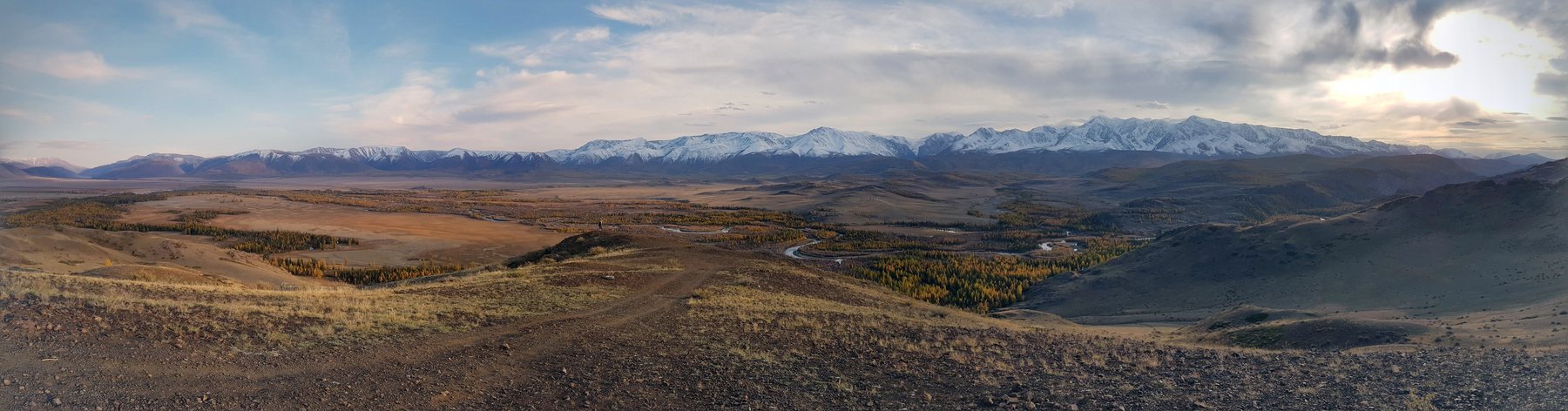
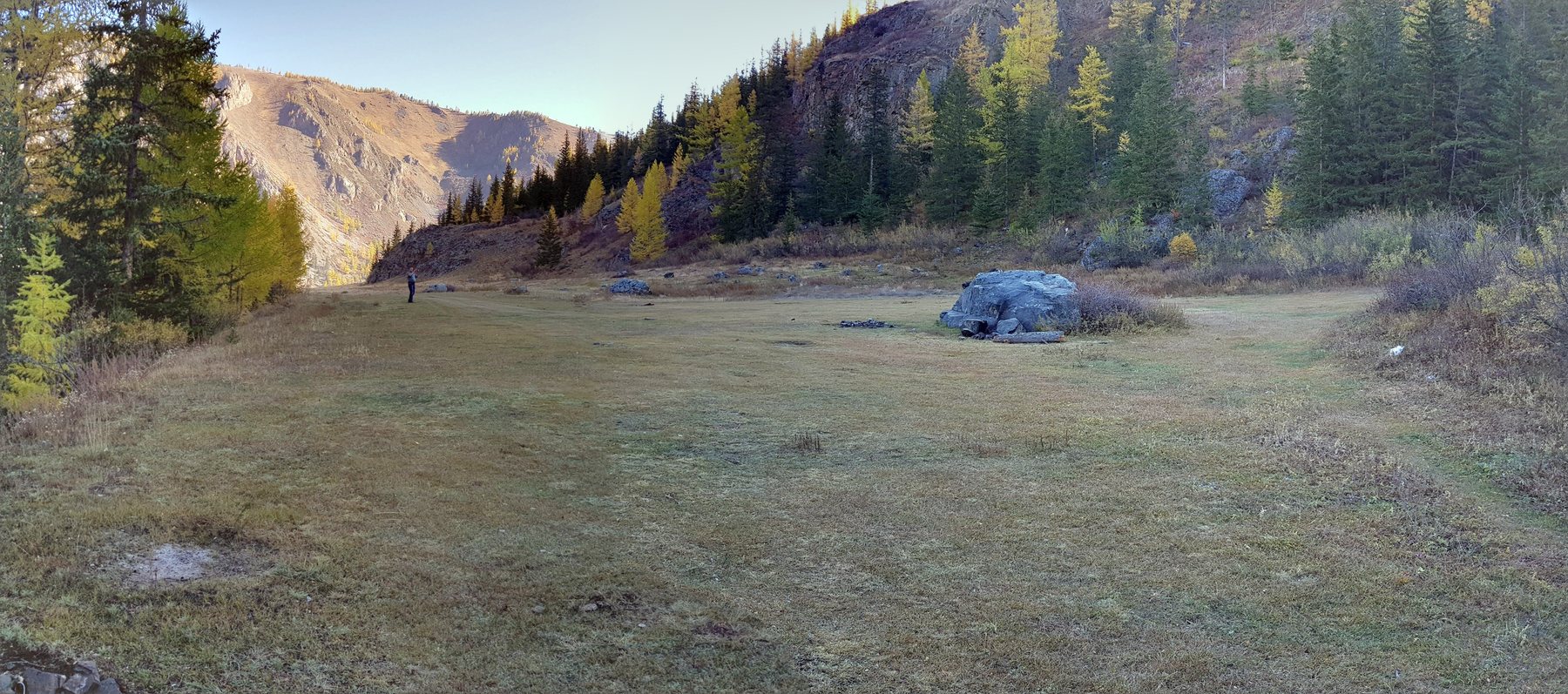
Remote land with air access, if not invested in expensive entrance, for mountain residences, premium glamping and closed natural projects
The hard-to-reach areas of Chemal district are a rare category of land that cannot be valued by the usual rules of the market, where value is not created by the road, not by the neighborhood, not by the mass flow, but by silence, by the panorama, by the scale of nature, by autonomy and by the very feeling of inaccessibility, and this land works according to a different logic, and is chosen not for the convenience of everyone, but for the rarity of the place and the product that can be collected on it.
In a conventional market, inaccessibility is a minus. In a strong project, it's a major advantage. The less random movement around you, the greater the privacy. The harder it is to get to a point, the more you feel about an event. And the more isolated the area itself, the more expensive it can be, not only the land, but the impression it gives.
Why hard-to-reach areas add value to land
The mass tourism market chooses the road, the parking and the infrastructure, the premium market chooses a place that is different from the rest, and in the hard-to-reach land of the Chemal district, they value just that: the lack of random development, the rare view, the silence, the isolation and the ability to create a format that cannot be replicated in the usual tourist area.
This is not a competition for the central part of Chemal, nor should it compete with it: the center operates on flow, mature market and dense commercial model; hard-to-reach areas work on rarity, privacy and high check; it is not an alternative to a hotel by the road, but a different class of product.
Why Remote Glamping Can Be Particularly Strong
The more quality accommodation in Altai, the stronger the need for rare outbound formats becomes. The premium tourist is increasingly looking not only for a good room, but also for a separate event: a flight to a mountain residence, panoramic glamping on a rock, a house in the cedar taiga, a point with a restaurant and views of Katun, forest and ridges.
In this model, the flight becomes part of the product, and it's not just the delivery, it's the first part of the rest that makes you feel very, very, very, very, very, very, very, very, very, very, very, very, very, very, very, very, very, very, very, very, very, very, very, very, very, very, very, very, very, very, very, very, very, very, very, very, very, very, very, very, very, very, very, very, very, very, very, very, very, very, very, very, very, very, very, very, very, very, very, very, very, very, very, very, very, very, very, very, very, very, very, very, very, very, very, very, very, very, very, very, very, very, very, very, very, very, very, very, very, very, very, very, very, very, very, very, very, very, very, very, very, very, very, very, very, very, very, very, very, very, very,
For a family, it can be a night out and a dinner with views of nature. For a couple, a private residence in the mountains, romance, new photos, videos and experiences. For some guests, a helicopter route, a bath, a viewing platform, horseback riding, quad bikes or guitar songs by the campfire. It's a different format of recreation and another pleasure.
Why hard-to-reach glamping is becoming a new premium format for recreation in the Altai Mountainss
If the region has more strong hotels, apartheids and resort properties, it almost always increases the demand for additional excursions and outings. It is not enough for a guest to just live in a good room. He flew to Altai for nature, scale, rarity and new experiences. The longer such a tourist stays in the region, the more important it is for him routes that go beyond the standard hotel environment.
Hence the logic of a network of remote natural points: a large hotel or resort cluster provides comfort and a base of residence; remote glamping provides a rare continuation of the route. These formats do not compete with each other. They reinforce each other. The more premium accommodation in Altai, the higher the potential for remote points with short flights and strong natural drama.
The premium sector of Altai is growing, and with it the need for remote residences is growing.
The more quality accommodation in Altai, the greater the need for rare outdoor formats. For such a guest, remote glamping is not an inconvenience, but a separate vacation scenario. A person can live in a strong hotel or apartment complex, and for one or two nights fly to a mountain residence, glamping on a rock, a house near the cedar taiga or a panoramic dot with a restaurant and views of Katun, forest and ridges.
That's why the next-flight remote glampings can be particularly popular, and they give what even an expensive hotel lacks: a sense of a separate event; for a family, it can be a sleepover and a panoramic dinner; for a couple, a private residence in the mountains; for some guests, a helicopter route, a bath, a viewing platform, horseback riding, quads, or just silence without neighbors.
Chinese and International Direction
The airport’s international status and the further development of aviation logistics are increasing the demand for accommodation, especially at the premium level. If international traffic to Altai continues to grow, demand will be distributed not only to ordinary hotels but also to expensive experiences, and it is in this part that remote glamping, panoramic residences and helicopter rides can become one of the strongest products.
For an international tourist, not only the room and service are important, but also an event that is difficult to repeat in another country or at another resort.
What projects are particularly strong here
Hard-to-reach areas are especially appropriate where the main value is silence, privacy, rarity and a high degree of natural exceptionalism.
First of all, these are closed private residences and mountain possessions for those who need not just land, but a separate private territory.
Second, these are premium remote glamping and panoramic chalets, where the main product is not mass accommodation, but solitude, view, service and the very rarity of the point.
Third, these are club-format projects, where silence, autonomy and the absence of random flow work stronger than any usual infrastructure.
Fourth, it is a long entry into rare land as an asset that does not need to be quickly built up, but is already valuable for its uniqueness.
Practical conclusion
The hard-to-reach areas of Chemal district are rare land not for the mass market, but for special projects and exclusive ownership, and their strength is not in standard liquidity, but in silence, autonomy, panorama, high privacy and the inability to replicate such territory in a regular tourist area.
If the project can work with privacy, natural rarity and expensive impression, such land becomes one of the most interesting entry formats in the Chemal district, especially the logic of remote premium glamping and mountain residences, which can work in conjunction with the already developing premium accommodation of Altai and strengthen the entire region as an area of expensive and varied recreation.